What I've learned from losing a debate
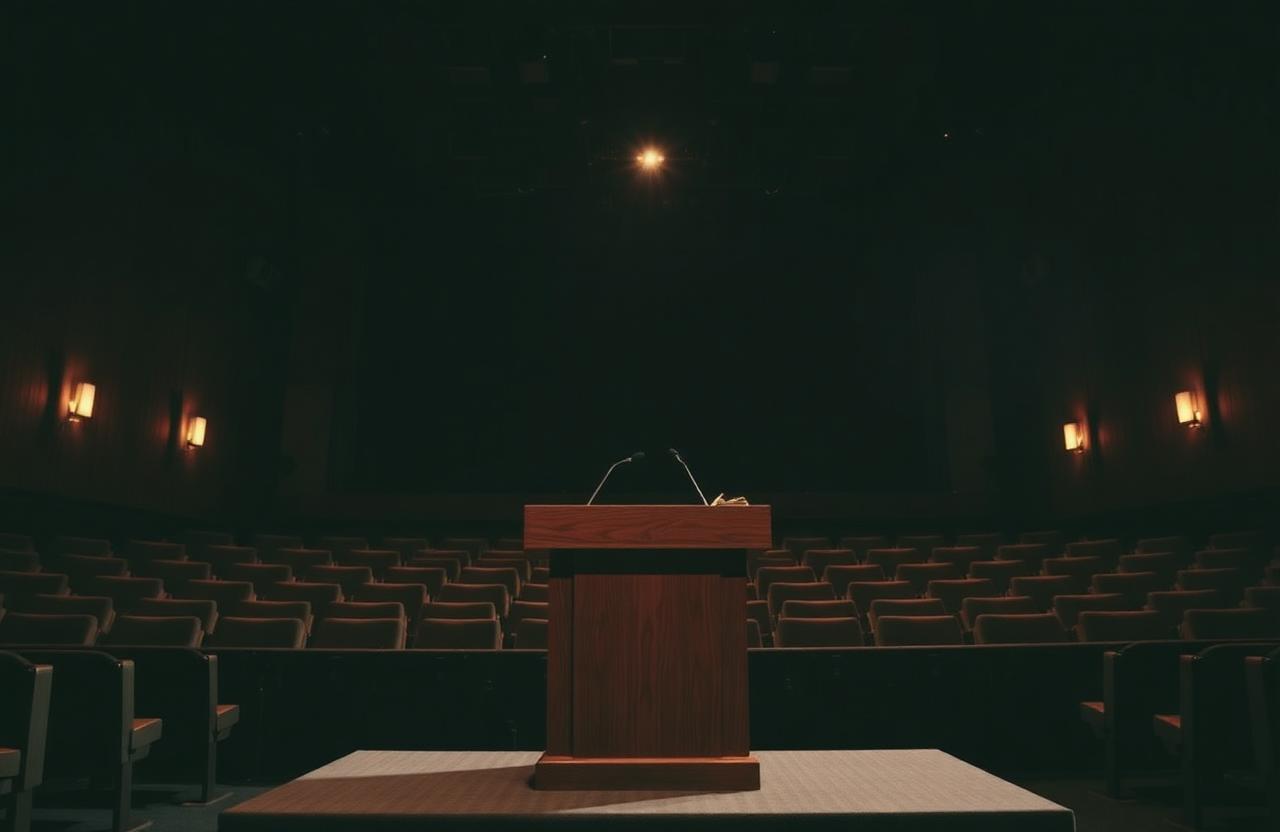
Losing taught me more about argumentation than any win ever did. A short note on listening, ego, and the work of getting better.
The first time I lost a debate I thought the judges had made a mistake. It was a tight round, my partner and I had hit our points, and the rebuttal felt sharp. When the ballot came back, the comments were measured but unmistakable: we had spoken at the opposition, not with the room.
Walking out of the hall that afternoon, I was upset for all the wrong reasons. I wanted the win. I wanted to be told I was clever. What I needed was to be told I had not been listening — and that's exactly what the ballot said, in slightly kinder words.
Listening is the part of debate nobody really teaches you. You learn frameworks and signposting and how to weigh impacts. You do not learn how to sit with what the other side is actually saying, especially when it cuts against the case you spent three weeks preparing. The temptation is to hear an argument and immediately start drafting your reply. The work is to hear it, hold it, and then decide whether your reply still stands.
Since that round I have tried, often badly, to do three things differently. I take notes on what the opposition means, not just what they say. I ask myself, before I stand up, whether my response would land for a judge who walked in believing them. And I treat the rebuttal as a conversation I am part of, not a verdict I am delivering.
I have not stopped losing. But the losses feel different now — less like an attack on my taste in arguments, more like a map of where I still have work to do. And the wins, when they come, feel earned in a quieter way.